
What OSHA rule covers handwashing on a jobsite?
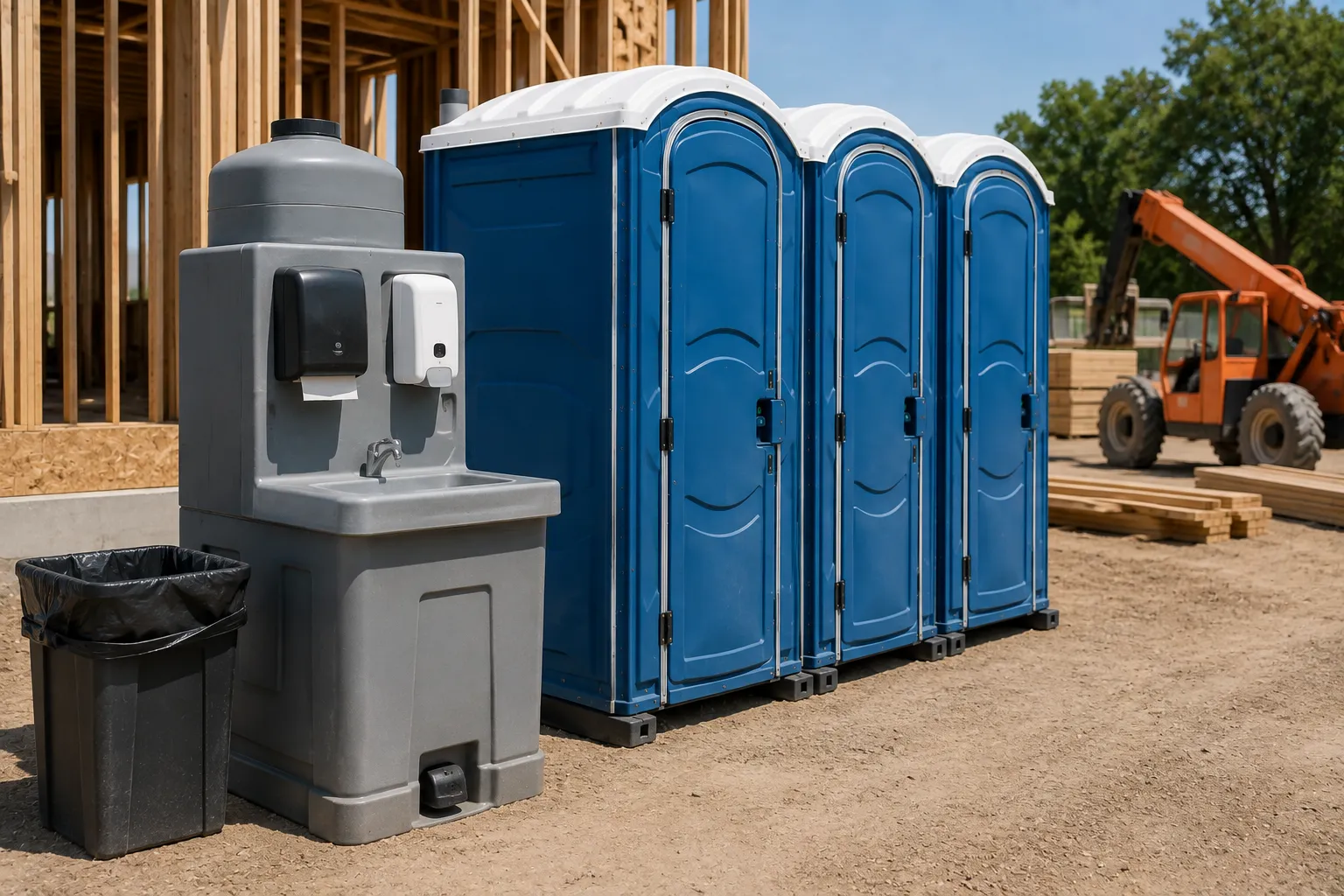
Two different rules get confused here, and it matters which one applies. General potable water is required at all construction sites under OSHA 1926.51(a)(1), full stop. Actual handwashing facilities, the kind with soap and towels, only become mandatory under OSHA 1926.51(f)(1) when employees are applying paints, coatings, herbicides or insecticides, or working around similar contaminants. If your crew is pouring concrete or framing, that rule does not trigger. Toilet counts fall under a separate section, OSHA 1926.51(c)(1), which sets ratios by crew size. Farms and agricultural operations follow a different standard entirely: OSHA 1928.110 requires potable water, toilets and handwashing for hand-labor employees, with one facility per 20 workers and a walk of no more than a quarter mile. That distance rule matters on a citrus grove near farm and agricultural restrooms sites outside Ocala, where the nearest hydrant might be a long walk from the last row. Ocala Porta Pros places handwashing station rental units close enough to satisfy that quarter mile without extra site walking.
Does hand sanitizer count as handwashing?
No. Under 29 CFR 1910.141(d)(2), washing facilities need soap and towels or a hand drying device. A bottle of sanitizer clipped to a fence post does not meet that standard for general industry sanitation, and inspectors know the difference. If you are trying to cover a crew with something quick and cheap, a hand sanitizer station rental can supplement real handwashing, but it cannot replace it. For projects near On Top of the World, 11.2 miles southwest of Ocala, we usually pair a soap-and-water unit with sanitizer at entry points, which covers both the letter of the rule and the practical need for something fast between tasks. A portable sink rental with a foot pump and a fresh water tank satisfies the soap-and-towel requirement cleanly.
How many handwashing stations does my site need?
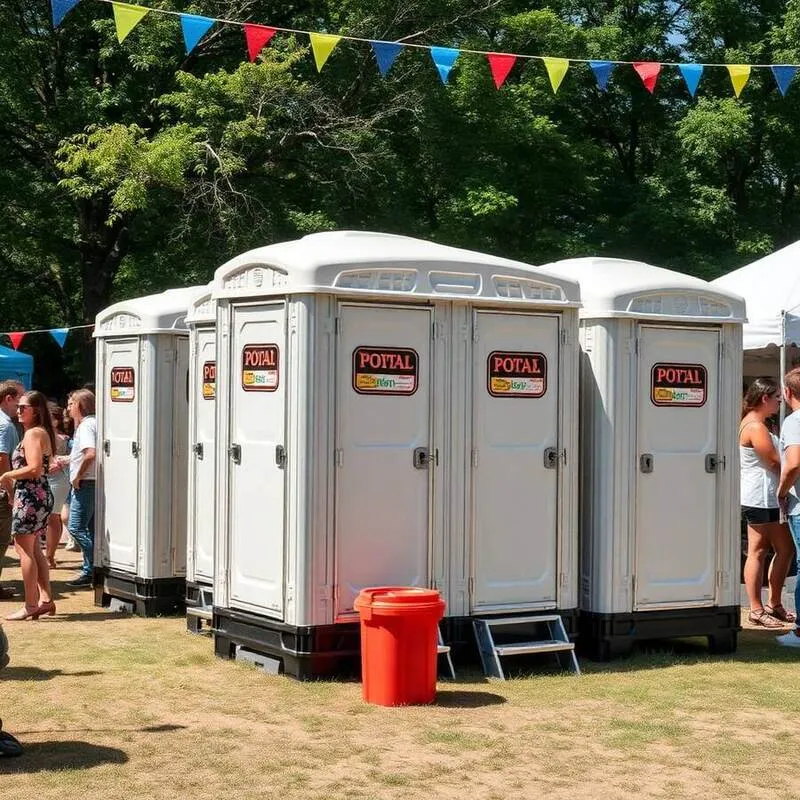
It depends on crew size and layout more than a fixed formula. OSHA does not set a strict handwashing-to-worker ratio the way it does for toilets under OSHA 1926.51(c)(1), which requires one toilet for 20 workers or fewer, then a toilet and urinal per 40 workers as crews grow past that, and per 50 once a site hits 200 or more. A reasonable approach: match your handwashing stations to wherever people eat, take breaks or work with paints and coatings. A crew of 15 near Silver Springs, 7.3 miles northeast of Ocala, might need just one station at the break trailer. A spread-out site of 60 workers, closer to what you'd see on a construction site services job, usually needs two or three stations positioned near different work zones so nobody walks a quarter mile for soap and water. Check our how many porta potties do i need guide for the toilet side of that math, since the two often get planned together.
Where should handwashing stations be placed on site?
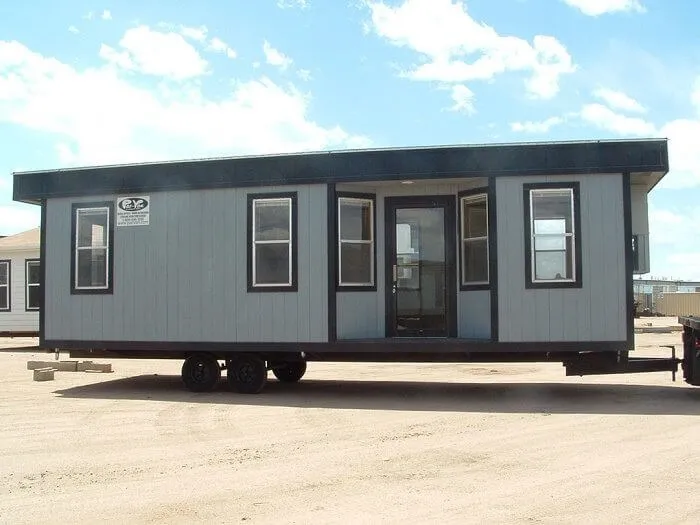
Placement follows the same logic as toilets: close to work, out of the mud, and reachable without crossing active equipment paths. ADA Standards section 302.1 requires floor and ground surfaces be stable, firm and slip resistant, which applies to the pad under any accessible unit just as much as it does to a toilet platform. If your site includes an accessible portable toilet cluster, ADA Standards section 213.2 requires at least 5 percent of units be accessible, never fewer than one, and the same clear-thinking placement should extend to the handwashing station next to it. A 60 inch turning circle under ADA Standards section 304.3.1 is worth checking if a wheelchair user needs to approach the sink directly. For event work, our porta potty placement guide covers the same site-layout thinking, and it applies just as well to sinks and sanitizer stands. Delivery trucks need about 60 feet of straight clearance behind them for larger equipment drops, which matters if you're also bringing in a roll-off dumpster rental or a temporary fence rental on the same trip.
Ocala job sites range from tight infill lots to open agricultural land, and the right station depends on which one you've got. A downtown renovation near city limits has different clearance needs than a property out toward Liberty Triangle, 9.2 miles southwest, where the truck has more room to maneuver but the walk to a hose bib is longer. Either way, a station with its own fresh water tank solves the access problem without depending on what's already on site.
FAQ
Do I need a permit for a handwashing station in Ocala?
Placement in the public right of way needs confirming with the city before you set anything down there. On private property, a construction site or event lot, permitting usually rides along with your porta potty permit requirements planning rather than needing a separate handwashing permit.
Can I use a garden hose instead of a handwashing station?
A hose gets water to a spot, but it doesn't provide soap or towels the way 29 CFR 1910.141(d)(2) requires. Pair it with a soap dispenser and paper towels at minimum, or just rent a proper unit and skip the improvising.
How often does a handwashing station need to be serviced?
Most rental units follow a weekly service baseline for moderate use, similar to the ANSI/PSAI Z4.3 portable sanitation standard used for toilets. High-traffic sites or ones near paint and coating work often need more frequent refills of water and soap.
Do events need handwashing stations near food vendors?
Yes, and it's one of the most common requests we get for event restroom rental jobs. Anywhere food changes hands, a nearby sink with soap and towels keeps both vendors and health inspectors satisfied.
What's the difference between a handwashing station and a portable sink?
Not much in practice. A portable sink rental is usually the same unit described more specifically, with a foot pump, fresh water tank and greywater tank built in, meeting the same 29 CFR 1910.141(d)(2) soap-and-towel standard.
Next step
Get a delivery date
Tell us the address, the dates and the headcount. We size the order and confirm the route.